Health and Safety Policy: Stump Grinder and Stump Grinding Operations
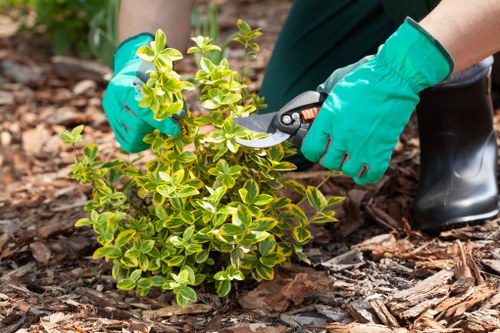 Purpose: This policy sets out the core health and safety principles for the use, operation and maintenance of stump grinder machinery on sites where tree stump removal is undertaken. It explains responsibilities, safe working methods, and controls designed to prevent injury, damage and environmental harm during stump grinding work.
Scope and application: The policy applies to all personnel involved in stump grinding operations, including stump grinder operators, supervisors, machine maintenance staff, and contractors who work where stump grinders and related stump removal machinery are present. It is intended to be practical, risk-focused and adaptable to different site conditions.
![A gardener wearing a green apron is shown trimming a lush flowering rose bush in a well-maintained garden. The rose bush has vibrant pink blossoms and healthy green leaves, with the gardener using small pruning shears to cut back some stems. The garden setting includes a neatly trimmed lawn in the foreground, with a mixture of soil and mulch around the base of the rose plant. In the background, there are additional greenery and a few young plants, creating a natural and tidy outdoor space typical of gardens serviced by Stump Grinder in the UK. The weather appears clear with soft natural lighting, highlighting the vivid colors of the roses and the lush foliage. The scene exemplifies professional garden maintenance, focusing on shrub and flower bed care, which aligns with residential gardening services offered in the local area, possibly near [POSTCODE] or [TOWN].](/pub/_photos/gardening/f1757731664.jpg) Roles and responsibilities: Management must provide adequate resources, proper equipment and appropriate supervision. Operators are responsible for conducting pre-start checks and following safe operating procedures. Supervisors must ensure site-specific risk assessments are completed and that competent people carry out stump grinding activities with suitable training and authorization.
Roles and responsibilities: Management must provide adequate resources, proper equipment and appropriate supervision. Operators are responsible for conducting pre-start checks and following safe operating procedures. Supervisors must ensure site-specific risk assessments are completed and that competent people carry out stump grinding activities with suitable training and authorization.
Risk assessment and planning
Before any stump grinding activity begins, a documented risk assessment must be carried out that considers the hazards unique to stump grinders, such as flying debris, buried utilities, unstable ground and proximity to people, buildings, vehicles and services. Plans should include access, egress, exclusion zones and a communication method for the work crew.
Operator competence: Only trained and assessed stump grinder operators are permitted to operate the equipment. Training should cover machine controls, emergency shutdown, safe approach and retreat, recognition of kickback and entanglement risks, and routine machine care. Refresher training and practical observation should be scheduled regularly.
Machine inspection and maintenance: A pre-use checklist must be completed for every shift and every machine. Key checks include cutting wheel condition, guards, controls, emergency stop function, fuel and hydraulic systems, and wheel bolts. Faults must be isolated, tagged and reported until repaired by authorised staff or a competent technician.
Personal protective equipment: Appropriate PPE is mandatory for stump grinding tasks. This includes, as a minimum, eye and face protection, hearing protection, cut-resistant gloves, safety footwear, high-visibility clothing and hard hats where overhead hazards exist. Operators should also consider leg protection and respiratory protection in dusty conditions.
![A man wearing a straw hat, light-colored shirt, and teal gardening gloves is closely inspecting and trimming a lush green hedge in a well-maintained garden. The hedge consists of dense, small-leaved foliage that borders a neatly kept lawn area with vibrant green grass. Behind the hedge, there is a background of blurred trees and natural light suggesting a bright, sunny day. The garden environment appears tidy and landscaped, with the hedge providing a defined boundary between the lawn and other planting beds or outdoor spaces. The scene reflects attentive garden maintenance, typical of professional gardening services in the UK, highlighting careful pruning and overall outdoor care, possibly in a residential area near [POSTCODE], serving towns like [TOWN]. The careful attention to plant health and garden structure suggests a focus on high standards seen in local gardening and landscaping practices by companies such as Stump Grinder.](/pub/_photos/gardening/f1407729664.jpg) Safe operating procedures: Operators must establish a stable working position, keep bystanders outside the exclusion zone, and approach grinding systematically to control chip ejection and machine stability. Stump grinding should be carried out at controlled speeds and with frequent reassessment to avoid overloading the machine or creating unstable stump fragments.
Safe operating procedures: Operators must establish a stable working position, keep bystanders outside the exclusion zone, and approach grinding systematically to control chip ejection and machine stability. Stump grinding should be carried out at controlled speeds and with frequent reassessment to avoid overloading the machine or creating unstable stump fragments.
Environmental and site controls: Measures to mitigate noise, dust and surface water contamination must be applied. Use water suppression where practical and avoid operating over sensitive ground or near drains and watercourses. Minimise disturbance to surrounding vegetation and dispose of grindings and waste in accordance with environmental best practice.
Traffic and exclusion zones
Define and signpost exclusion zones around stump grinding operations. Where vehicles and pedestrians may cross the work area, implement traffic management plans that include banksman or spotter duties. Maintain a clear line of sight or use radio communication between the operator and ground staff.
Manual handling and ergonomics: When loading, positioning or removing parts of a stump or machine components, apply safe manual handling techniques and mechanical aids where possible. Consider machine attachments that reduce manual effort and ensure lifting tasks are risk assessed for weight, reach and posture.
Permits and utility checks: Ensure any necessary permits are obtained and that underground utilities have been located and marked before commencing stump removal. If suspected services are discovered during grinding, stop work immediately and follow the site???s service strike protocol.
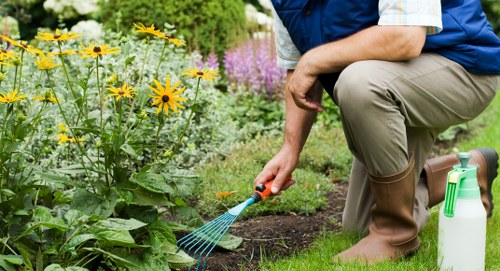 Emergency procedures and first aid: Establish clear emergency response arrangements including access for emergency vehicles, on-site first aid provision and a procedure for dealing with serious incidents. Operators must be familiar with emergency shutdown controls and the process for securing a machine following an incident.
Incident reporting and investigation: All incidents, near misses and unsafe conditions must be reported without delay. Investigations should identify root causes and lead to corrective actions that are communicated to prevent recurrence. Use a simple reporting process to encourage timely reporting by the whole team.
![A young woman gardening outdoors in a well-maintained backyard, pouring water from a green watering can onto vibrant pink and purple flowering plants in a flower bed. The garden features lush green grass, neatly edged flower borders, and a small glass greenhouse visible in the background. Tall trees and shrubs provide a natural backdrop, with daylight illuminating the scene and a partly cloudy sky overhead. The woman's dark hair is loose, and she is wearing a casual striped t-shirt and a gardening apron, demonstrating active outdoor gardening. The environment suggests a peaceful, landscaped outdoor space typical of gardens in the vicinity of [TOWN] or within [POSTCODE], supporting professional gardening and landscaping services like those offered by Stump Grinder, especially in horticulture maintenance and plant care.](/pub/_photos/gardening/f1399046144.jpg) Monitoring, review and continuous improvement: Health and safety performance for stump grinding operations should be monitored through inspections, audits and workplace observation. Policies and procedures must be reviewed following incidents, changes in equipment or practice, and at regular intervals. Continuous improvement is achieved through learning, training updates and investment in safer equipment.
Monitoring, review and continuous improvement: Health and safety performance for stump grinding operations should be monitored through inspections, audits and workplace observation. Policies and procedures must be reviewed following incidents, changes in equipment or practice, and at regular intervals. Continuous improvement is achieved through learning, training updates and investment in safer equipment.
Summary of controls:
- Pre-use checks and maintenance regimes for all stump grinders;
- Competent, trained operators and supervision;
- Defined exclusion zones, PPE and environmental controls;
- Clear emergency procedures, reporting and continuous review.
Statement: This policy sets the baseline for safe stump grinding and stump grinder operations. It should be supported by site-specific risk assessments and documented safe systems of work. Adoption of these measures will reduce the risk of injury, protect property and support efficient stump removal activity across diverse work environments.